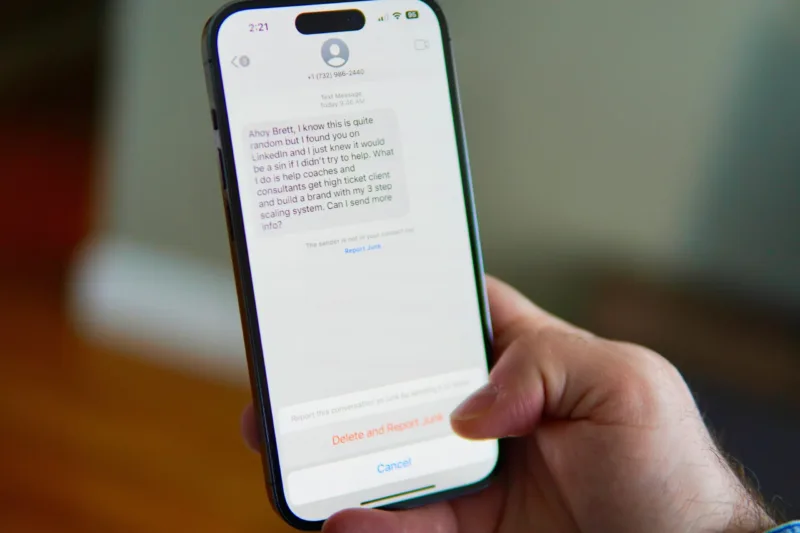
Scams and Fraud Legal Help:Recognizing Scams, Reporting, and Recovery
Vikk AI provides instant scam and fraud guidance for U.S. consumers. It explains common consumer scams (romance scams, investment fraud, telemarketing scams, internet scams, advance fee fraud, IRS and government impersonation, tech support scams, grandparent scams), warning signs, reporting procedures (FTC, FBI IC3, state AG), criminal vs civil recovery options, and prepares your case. Free to start.
Consumer scams and fraud are pervasive, affecting millions of Americans annually. Total reported losses to FTC exceed $10 billion annually.
Whether you have been victimized by scam, are dealing with fraud aftermath, considering legal action, helping family member who has been scammed, or evaluating any scam or fraud matter, Vikk AI is your always-available legal research and document preparation partner. Many basic reporting can be handled through Vikk AI alone. Substantial fraud cases benefit from consumer protection attorney representation. Many areas have free legal aid. Ask any question about your situation, applicable claims, available remedies, statute of limitations, and how to evaluate your case.
What are the major scam categories?
Substantial variety of consumer scams. Specific to type.
Online relationship-based fraud. Substantial recent emphasis. $1.3+ billion annual losses (FTC data). Common pattern: online relationship, manufactured emergency, money request. Foundation of substantial recent fraud. Cryptocurrency increasingly used.
Ponzi schemes, fake investments, cryptocurrency scams, pump-and-dump, fake oil/gas investments, fake real estate investments. Substantial losses. SEC enforcement. Foundation of investment-based fraud.
Substantial recent growth: fake exchanges, fake investment platforms, romance/confidence scams using crypto, pig butchering scams (Sha Zhu Pan), rugpulls. Foundation of crypto-specific fraud.
Fake charities (especially after disasters), prize scams ('you've won, send fee'), debt relief scams, magazine subscription scams. Specific to call-based. TCPA enforcement. Foundation of phone fraud.
Online auction fraud, fake websites (especially during shopping seasons), phishing emails, business email compromise, fake online stores. Substantial growth. Foundation of digital fraud.
Nigerian/419 scams, fake check scams (cash check, send portion back, original bounces), lottery scams, inheritance scams. Pattern: pay fee to get larger amount. Foundation of classic scam.
IRS impersonation (substantial - threats of arrest/deportation for unpaid taxes), Social Security impersonation (threats of benefit cancellation), Medicare scams (asking for new card numbers). Foundation of authority-based fraud.
Fake tech support claims your computer infected. Asks for remote access or fees. Often impersonates Microsoft, Apple. Foundation of technology-based fraud.
Impersonates relative in trouble (typical: arrest, hospital, accident). Demands urgent money. Foundation of emotional manipulation. AI voice cloning enabling more sophisticated versions.
Fake jobs (especially work-from-home), reshipping scams (using consumer to transport stolen goods), check cashing scams. Foundation of employment-based fraud.
Fake rental listings (often using legitimate property photos), advance rent scams. Substantial in tight rental markets. Foundation of housing fraud.
Fake charities (especially after disasters, during holidays). Often imitate real charity names. Foundation of generosity-based fraud.
Fake puppy/pet sales online. Pattern: low price, photo theft, advance shipping fees. Foundation of online pet fraud.
Multi-level marketing (MLM) when functioning as pyramid (recruitment-based vs product-based). Substantial regulatory enforcement. Foundation of MLM analysis.
Email impersonation of business executives directing wire transfers. Substantial losses to businesses. Foundation of business-targeted fraud.
Long-term romance/confidence scam combined with cryptocurrency investment fraud. Substantial recent emphasis. Foundation of complex scam.
What are common scam warning signs?
Specific patterns to recognize. Foundation of fraud prevention.
- Urgency
- Unusual payment methods
- Requests for personal information
- Too good to be true
- Pressure to keep secret
- Emotional manipulation
- Impersonation of trusted entities
- Pre-payment for prizes
- Foreign country involvement
- Communication only via specific channels
- Cannot meet in person
- Cryptocurrency demands
- Threats
- Inconsistent stories
- Photos that don't match
How do I report scams?
Multiple reporting avenues. Foundation of regulatory enforcement.
ftc.gov. Federal Trade Commission. Primary federal scam reporting. Online complaint form. FTC compiles complaints, may take enforcement action, doesn't typically resolve individual disputes. Foundation of federal scam reporting.
gov). FBI Internet Crime Complaint Center. Internet-based fraud reporting. Foundation of cybercrime reporting. FBI investigates substantial cases.
State AG consumer protection division. Online or written complaints. Substantial state enforcement. Often achieves resolution. Foundation of state consumer protection.
Especially for in-person fraud or substantial financial loss. Foundation of criminal investigation. Specific to local resources.
gov/tcr. Securities and Exchange Commission. Investment fraud (Ponzi schemes, securities fraud). Substantial enforcement. Foundation of investment fraud reporting.
gov. Consumer Financial Protection Bureau. Financial fraud, banking fraud, mortgage fraud. Foundation of financial fraud reporting.
IRS impersonation reports. Foundation of IRS impersonation reporting. Treasury enforcement.
Fraud reporting (free, especially for older Americans). Foundation of senior fraud resources.
Better Business Bureau. Scam reporting and tracking. Foundation of public awareness.
Mail fraud (18 U.S.C. § 1341). Substantial criminal enforcement. Foundation of postal-based fraud reporting.
Report scam profiles to platforms (Facebook, Instagram, TikTok). Foundation of platform enforcement. Specific to platform.
Report fraudulent transactions to bank or credit card company. Foundation of financial institution response. Often achieves recovery through chargeback.
Report fraud through specific retailer (Amazon, eBay, etc.). Foundation of platform-specific resolution.
If identity stolen, IdentityTheft.gov. Specific procedural framework. See Identity Theft page.
Substantial difficulty with international scams. Limited recovery. Reporting to FBI IC3 and FTC for compilation. Foundation of international fraud limitation.
What recovery options are available?
Multiple recovery paths. Specific to circumstances.
- Chargeback dispute
- Wire transfer recall
- Cryptocurrency recovery
- Bank fraud claim
- EFTA claim
- Civil lawsuit against perpetrator
- Civil lawsuit against facilitator
- Insurance claims
- Cyber liability insurance
- Criminal restitution
- Class action participation
- Tax loss deduction
- FTC Sentinel data
- State victim compensation funds
- Recovery scams warning
What about specific common scams?
Detailed analysis of common scam types. Specific procedural framework.
Online dating site or social media contact, virtual romance over weeks/months, manufactured emergency (medical, business, travel), money request via wire/gift cards/crypto. Substantial losses (often $50,000-$500,000+). Foundation of romance scam recognition.
Romance scam combined with cryptocurrency investment fraud. Long-term grooming. Investments shown to grow on fake platform. Eventually unable to withdraw. Substantial recent emphasis. Substantial losses.
Promises of high returns with low risk. Common: 'guaranteed' returns, 'inside information,' urgency, complex products, foreign investment, cryptocurrency. Foundation of investment fraud. SEC enforcement substantial.
Pays earlier investors with later investors' money. Eventually collapses. Foundation of investment fraud type. Substantial federal prosecution.
Threats of arrest, deportation, license suspension for unpaid taxes. Demands payment via gift cards or wire transfer. IRS NEVER does this. Foundation of clear fraud indicator.
Threats of benefit cancellation, arrest for SSN problems. SSA NEVER threatens or demands payment. Foundation of clear fraud indicator.
Requests for new card numbers, demands for personal information. Medicare NEVER initiates calls for these purposes. Foundation of clear fraud indicator.
Pop-up warnings about computer infection, fake call from 'Microsoft' or 'Apple.' Demands remote access or payment for 'support.' Microsoft/Apple NEVER call you. Foundation of tech support fraud.
Call claiming relative arrested or in accident, demands urgent money for bail or medical care, asks not to tell anyone. AI voice cloning increasing sophistication. Foundation of family emergency fraud.
Job offers without interview, requests for personal information upfront, asks to deposit check and send portion back, work-from-home with substantial pay, reshipping schemes. Foundation of employment fraud.
Listing below market price, owner unavailable to show, demands deposit before showing, demands wire transfer. Often uses real property photos. Foundation of rental fraud.
Online puppy/pet sales at low prices, photos may be stock photos, advance shipping fees. Foundation of online pet fraud. Often international.
Notification of winning lottery you didn't enter. Demands fees to claim. Real lotteries don't require fees. Foundation of advance fee fraud.
Names similar to legitimate charities, especially after disasters. Pressure for immediate donations, demands cash or gift cards. Foundation of generosity-based fraud. Verify through Charity Navigator or BBB Wise Giving.
Emails impersonating company executive to staff or vendors directing wire transfers. Substantial business losses. Verify any wire transfer requests independently. Foundation of business-targeted fraud.
How Vikk AI Helps With Your Scam or Fraud Situation
Real Walkthrough:How a Scam Victim Successfully Recovered Partial Funds Through Multi-Channel Approach After Romance Scam
Consumer (age 67) lost $32,000 to romance scam over 6-month period. Met scammer on dating site, developed online relationship, scammer requested money for various manufactured emergencies (medical bills, business problems, travel). Money sent via: $12,000 wire transfers, $8,500 gift cards (eBay, Apple), $11,500 cryptocurrency through scammer-directed exchange. Used Vikk AI to evaluate recovery options.

Step 1: Vikk AI helped evaluate situation
Recovery analysis: (1) Wire transfers: small recovery possible if fast action through bank, but most already past recall window. (2) Gift cards: substantially difficult - cards typically already redeemed. Limited possible recovery through retailer if reported quickly. (3) Cryptocurrency: substantially difficult - exchange likely fake, funds dispersed. Limited possible recovery through tracing/specialized firms (often themselves scams). Strategy: comprehensive multi-channel reporting plus pursuit of recovery from specific facilitators.
Step 2: Comprehensive reporting and immediate action
Multi-channel reporting: (1) FTC ReportFraud.ftc.gov - comprehensive complaint. (2) FBI IC3 (ic3.gov) - internet-based fraud. (3) State attorney general consumer protection. (4) Local police (criminal report). (5) Bank reporting for wire transfers (attempt recall). (6) Apple and eBay (gift card recipient platforms - report cards and request investigation). (7) Cryptocurrency exchange complaint. (8) AARP Fraud Watch Network. (9) Dating site report. Also: identity theft monitoring set up, credit freeze with all three bureaus.
Step 3: Recovery efforts
Specific recovery efforts: (1) Bank wire transfer attempt to recall $12,000 - recovered $4,500 (one wire transfer caught before processing). (2) Apple gift cards - recovered $1,200 from cards not yet redeemed. (3) eBay gift cards - $0 (already redeemed). (4) Cryptocurrency - $0 (exchange fake, funds dispersed through tumbler). Total partial recovery from immediate efforts: $5,700.
Step 4: Civil lawsuit potential evaluation
Engaged consumer protection attorney (free initial consultation). Evaluated potential claims against: (1) Dating site (claim of negligent screening - difficult under Section 230 immunity), (2) Bank (claim of failure to detect suspicious patterns - some success in similar cases), (3) Cryptocurrency platform (substantial difficulty due to offshore nature). Decided not to pursue litigation given costs vs likely recovery.
Step 5: Ongoing protection and outcome
Total partial recovery: $5,700 of $32,000 lost (about 18%). Identity protection measures: credit freeze maintained, fraud alerts, identity monitoring service ($150/year). Ongoing emotional support through community resources. Tax considerations: theft loss deduction limited by Tax Cuts and Jobs Act (only investment-related losses if applicable). Reporting may help prevent future victimization of others. The case demonstrates the substantial difficulty of scam recovery and the importance of immediate action to recover any portion.
Total time: 3 months for recovery efforts. Net partial recovery: $5,700 (18% of losses). The case demonstrates several key scam recovery principles: (1) immediate action critical for any recovery, (2) multi-channel reporting essential, (3) substantial losses often unrecoverable especially with cryptocurrency and gift cards, (4) recovery 'services' often secondary scams, (5) prevention through awareness more effective than recovery.
Why Vikk AI Is the Most Trusted AI Legal Assistant for This Topic
Built specifically for U.S. consumer protection law, not retrofitted from a general chatbot
Generic AI tools like ChatGPT and Gemini frequently misstate state-specific consumer protection statutes, FTC regulations, and procedural requirements. Vikk AI is purpose-built for U.S. consumer protection law, including the Federal Trade Commission Act, federal consumer protection statutes (FDCPA, FCRA, Magnuson-Moss, FCBA), state Unfair and Deceptive Acts and Practices (UDAP) statutes, and the specific procedural requirements that determine whether consumer protection claims succeed.
Automatic state localization on consumer protection rights
Consumer protection law involves substantial state variation: state UDAP statutes range from limited (some states) to expansive (California, Massachusetts, others), private rights of action vary, attorney general enforcement varies, damages provisions vary (single, double, treble), attorney fee provisions vary. Vikk AI knows your jurisdiction from the start of your conversation and applies the correct rules.
Privacy by default for consumer information
Your conversations about consumer disputes, financial information, identity theft incidents, fraud, and personal circumstances are encrypted in transit and at rest. They are never sold, never shared with third parties, and never used to train any public AI model. Privacy is essential when discussing consumer matters that often involve sensitive information.
Honest about when consumer matters need an attorney
Many consumer disputes can be handled through self-advocacy with proper guidance: chargeback disputes, basic FDCPA claims, simple warranty issues, FTC complaints. Complex cases (substantial damages, contested litigation, class actions, regulatory enforcement) typically require attorney representation. Vikk AI helps you understand when self-help is appropriate and when attorney representation is warranted.


Frequently Asked Questions
-
How can I tell if it's a scam?
Common warning signs: urgency ('act now'), unusual payment methods (gift cards, wire transfers, crypto), too-good-to-be-true offers, requests for personal information, threats of arrest/deportation, pressure to keep secret, foreign country involvement, can't meet in person. If unsure, verify independently.
-
Where do I report a scam?
Multiple agencies: FTC ReportFraud.ftc.gov (general), FBI IC3 (ic3.gov - internet), state attorney general (state-specific), local police (especially in-person), SEC (investment fraud), CFPB (financial), TIGTA (IRS impersonation). File with multiple agencies.
-
Can I recover money from a scam?
Recovery substantially difficult, especially for: cryptocurrency, international wire transfers, gift cards. Possible recovery: chargeback for credit cards, immediate wire transfer recall, EFTA bank claims, sometimes through prosecution restitution. Foundation of difficult recovery.
-
Should I use a recovery service?
Beware. Many 'recovery services' are themselves scams targeting fraud victims (secondary victimization). Legitimate recovery efforts available through: bank, credit card company, FTC, FBI, attorney consultation. Foundation of victim re-victimization warning.
-
What's a romance scam?
Online relationship-based fraud. Pattern: online dating contact, virtual relationship over weeks/months, manufactured emergency, money request via wire/gift cards/crypto. Substantial losses (often $50,000+). Foundation of substantial recent fraud.
-
What's pig butchering?
Sha Zhu Pan. Romance scam combined with cryptocurrency investment fraud. Long-term grooming, investments shown to grow on fake platform, eventually unable to withdraw. Substantial recent emphasis. Foundation of complex modern scam.
-
What about IRS scam calls?
IRS NEVER calls demanding payment, threatening arrest, or asking for personal information by phone. IRS NEVER demands payment via gift cards, wire transfer, or cryptocurrency. Threats from 'IRS' by phone are scams. Foundation of clear fraud indicator.
-
What about Social Security scams?
SSA NEVER threatens benefit cancellation, demands payment, or asks for personal information by phone. Threats from 'Social Security' by phone are scams. Foundation of clear fraud indicator.
-
What if I gave them my Social Security number?
Identity theft response procedures: IdentityTheft.gov (FTC), credit freeze with all three bureaus, fraud alerts, monitor credit reports. See Identity Theft page for comprehensive response. Foundation of identity protection.
-
How long do I have to report scams?
Best to report immediately. Statute of limitations on civil fraud claims: typically 2-6 years (varies by state). Criminal prosecution: depends on jurisdiction. EFTA bank claims: 60 days from statement. Specific to type. Foundation of timing.
-
Can I use Vikk AI for scams?
Yes for: scam identification, reporting documentation, recovery option analysis, consultation preparation. For substantial losses or complex cases, attorney consultation valuable. Many recovery options available through self-advocacy with proper guidance.
Describe your situation. Get your state's rules in plain English. No credit card. 60 seconds to sign up.
Are you a Lawyer? Connect with our Users!