
Landlord Disputes:Know Your Rights, Draft the Right Letter, and Resolve It Without a Lawyer
Most landlord-tenant disputes are resolvable without court, without an attorney, and often without even a confrontation. The problem is that most tenants don't know their state's specific rights, don't have the template letter that actually triggers landlord compliance, and can't afford a $400-an-hour attorney to learn what turns out to be a fairly routine matter. Vikk AI is built for exactly this. Describe your situation in plain English, get state-specific guidance, draft the right letter, and walk into your landlord negotiation (or small claims hearing) prepared.
This is the tool renters use when their landlord withholds a deposit, enters without notice, refuses to fix a broken heater in January, serves a retaliatory eviction notice, charges late fees that violate state caps, or simply goes silent on a problem that needs a response. It's equally useful for small landlords who want to handle a dispute correctly without retaining counsel.
The key insight: landlord-tenant law is heavily state-specific. A practice that's routine and legal in Texas may be a statutory violation in California. A notice period that's standard in Florida may be insufficient in Oregon. Vikk AI applies your state's actual law, not a generic national default, which is exactly what general-purpose AI chatbots cannot do reliably.
Disputes Vikk AI Handles
Security deposit issues
- Deposit not returned: state-specific return timelines (14 days in Wisconsin, 21 in California, 30 in most states, 45 in some), itemized statement requirements, and statutory damages (double or triple the wrongful withholding in many states).
- Unreasonable deductions: normal wear and tear cannot be charged; only actual damage beyond ordinary use. Vikk AI knows the case law in your state about what counts as wear vs. damage.
- Deposits above state caps: many states cap deposits at one or two months' rent. Deposits above the cap are void by statute.
Habitability and repairs
- Landlord won't fix essential services: heat, hot water, plumbing, electricity, and refrigerator (in furnished units) are typically non-waivable under the implied warranty of habitability. Vikk AI drafts the formal notice of habitability violation, the 14-day or 30-day deadline depending on your state, and the remedies available (repair-and-deduct, rent withholding, or termination).
- Unsafe conditions: mold, pest infestation, lead paint hazards, structural defects, broken locks, non-working smoke detectors. Each has specific landlord obligations under state and federal law.
- Privacy and entry violations: unannounced entry, entry outside permitted purposes, frequent harassing entries. All states have entry-notice laws (usually 24 hours); violations are actionable.
Eviction and termination
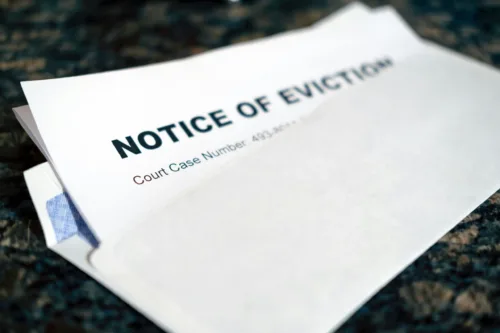
- Received an eviction notice: state-specific response timelines, what counts as legal vs. self-help eviction, retaliation defenses, and the formal answer to file.
- Illegal lockout: changing locks, turning off utilities, removing belongings, or any form of self-help eviction is illegal in every state. Statutory damages are often substantial.
- Retaliatory eviction: notices served within 90 to 180 days of a tenant's protected activity (complaining to code enforcement, asserting rights, joining a tenant organization) are presumed retaliatory in most states.
- Lease termination by tenant: breaking a lease for active-duty military relocation (SCRA), domestic violence, uninhabitable conditions, or landlord breach. All are legally protected and procedurally specific.
Rent, fees, and charges
- Illegal late fees: most states require late fees to bear a reasonable relationship to actual damages. Fees over 5-10 percent of rent are often unenforceable.
- Rent increase violations: in rent-controlled and rent-stabilized jurisdictions, increases above the allowed percentage are void.
- Junk fees: move-in fees, administrative fees, pet rent charged after initial move-in, and similar charges are often not authorized by the lease or by state law.


A Real Walkthrough:Phoenix Tenant, Broken A/C in July, Seven Days to Resolution

What Vikk AI explained
Arizona's landlord-tenant act, A.R.S. § 33-1324, requires landlords to maintain the premises in habitable condition and to comply with health and safety codes. In extreme heat conditions, functional cooling is required. Under A.R.S. § 33-1363, if the landlord fails to remedy after proper notice, the tenant has three options: terminate the lease after specified notice, procure the repair and deduct the cost from rent, or seek injunctive relief and damages.

What Vikk AI drafted
A written notice to the landlord, delivered by both email and certified mail, formally invoking A.R.S. § 33-1363 and providing the statutory 5-day emergency notice for the landlord to repair. The letter reserved the right to repair-and-deduct.

What happened
The landlord's maintenance company called Monday morning and had an HVAC technician on-site Monday afternoon. A new compressor was installed Tuesday. Indoor temperatures were back to 78°F Wednesday evening. Total time from notice to resolution: 4 days. The tenant had drafted but not needed to send the second letter (terminating the lease), which was also ready to go.
Common Landlord Tactics and How to Respond

The verbal agreement claim
Landlords sometimes claim verbal modifications to the lease (higher rent, extended term, additional fees). Most state statutes of frauds require leases over one year to be in writing, and most lease no-oral-modification clauses are enforceable. Vikk AI helps you identify whether a claimed verbal modification actually binds you.

The cleaning deduction
Routine cleaning is normal wear and tear in nearly every state. Landlords cannot charge cleaning that merely restores the unit to rentable condition. Carpet cleaning specifically has been litigated extensively: California, for example, allows deduction only if the tenant caused damage beyond ordinary wear.

The retaliatory notice
If you exercised a protected right (reported code violations, withheld rent for habitability, joined a tenant group, complained in writing about repairs), and the landlord then served a termination notice or raised rent within 90 to 180 days, most states presume retaliation. The presumption shifts the burden to the landlord, not you.
The you-broke-the-lease-so-you-owe-the-full-term demand
In every state, landlords have a duty to mitigate damages, meaning they must make reasonable efforts to re-rent a unit after a tenant breaks a lease. They cannot simply bill you for the entire remaining term without trying to re-let.



Frequently Asked Questions
-
Can Vikk AI help me fight an eviction?
Yes, for the preparation stage. Vikk AI can review the notice for procedural defects, identify available defenses (retaliation, habitability, discrimination, SCRA protection), draft your formal answer to the court, and help you prepare evidence. For the hearing itself, we recommend connecting with a verified attorney, especially in states where eviction court moves fast.
-
My landlord keeps texting me at 11pm. Is that harassment?
It depends on the state and the frequency. Most states have harassment statutes that cover repeated late-night contact, particularly in the context of a landlord-tenant dispute. Separately, most states' implied covenant of quiet enjoyment is violated by this behavior. Vikk AI can draft a formal request that communications occur during business hours in writing.
-
My landlord isn't on the lease, it's some LLC. How do I find the real person?
Every state requires LLCs and corporations to file a registered agent for service of process, which is publicly searchable on the Secretary of State's website. For rental properties, most states also require landlords to identify themselves and their agent in writing upon tenant request. Vikk AI drafts the written request and helps you locate the LLC's members through public records.
-
Can I sue my landlord in small claims court?
For most common landlord disputes, yes. Small claims limits vary by state (typically $5,000 to $15,000), which covers the great majority of security deposit, damage, and habitability claims. Small claims is designed for non-lawyer use. Vikk AI walks you through the filing process, drafts your demand and supporting documents, and prepares you for the hearing.
-
My landlord says I have to pay rent into court while we resolve this. Is that true?
It depends on the state and the dispute. Some states require rent withholding for habitability claims to be deposited with the court or into escrow. Other states allow direct withholding without escrow. Using the wrong procedure can weaken your position. Vikk AI tells you what your state requires.
-
Can my landlord raise my rent by any amount?
In most U.S. jurisdictions, yes, subject to the lease's terms. In rent-controlled jurisdictions (most of California, Oregon statewide, parts of New York and New Jersey, and others), annual increases are capped. Month-to-month tenants get state-specific notice requirements (typically 30 or 60 days). Fixed-term leases cannot be increased mid-term.
-
My landlord is selling the building. Does my lease survive?
In almost every state, yes. A lease survives a change of ownership. The new owner steps into the existing landlord's shoes. The one exception is if the lease contains a specific termination-on-sale clause, which is rare and sometimes unenforceable under state law.
-
When should I hire an actual lawyer for a landlord dispute?
For most routine disputes under your state's small claims limit, you don't need to. Hire an attorney when: (1) you're facing an eviction hearing and the stakes are serious, (2) your landlord has an attorney and the matter has moved to formal litigation, (3) the amount at stake exceeds small claims limits, or (4) there's a discrimination or civil rights dimension that may support significant damages. Many tenant legal aid services are free for qualifying tenants.
Start your free chat. Describe the dispute. Get your state's answer in under a minute.
Are you a Lawyer? Connect with our Users!