
Multilingual AI Legal Assistant for Legal Help in New York
The people who most need legal help in New York are frequently the least served by English-only resources. What follows is which languages work, which do not, and where the need actually concentrates in this state.

Language Communities in New York
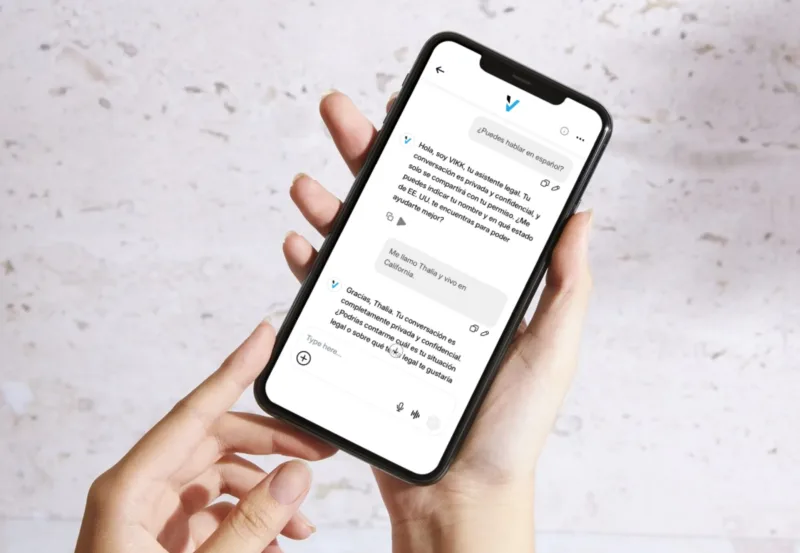
New York City is among the most linguistically diverse places in the world, and nearly every language on the supported list has a substantial community. Spanish, Mandarin, Cantonese, Russian, Bengali, Haitian Creole, Arabic, Urdu, Korean, Polish, Yiddish, French, Punjabi, and Tagalog are all significantly represented, often neighborhood by neighborhood.
Where Support Does Not Reach Yet in New York
Yiddish is spoken in substantial Hasidic communities in Brooklyn and Rockland County and is not currently on the supported list. Fuzhounese and other Chinese regional languages are also absent, and Mandarin does not always serve those speakers.
That is stated here rather than left out because a page about language access that omits the community it does not serve is not much use to that community. Ask in a conversation for current status on any language, and you will get a direct answer rather than an attempt.

Where the Need Concentrates in New York
Housing above all, because New York's rental framework is the most intricate in the country and the protections are strongest for people least likely to know them. Employment and consumer matters follow, then immigration.
That tracks the two areas generating the highest volume from this state overall, landlord and tenant matters and employment and workplace questions.

Documents in English, Questions in Your Language
Renewal offers and rent histories are English-only and determining your apartment's regulatory status is the first question. Upload and ask in Spanish, Mandarin, Bengali, or Haitian Creole.
Languages Supported
More than thirty languages for input and output: Spanish, Mandarin, Cantonese, Vietnamese, Tagalog, Arabic, Russian, Korean, Hindi, French, Portuguese, Haitian Creole, Polish, Italian, German, Ukrainian, Farsi, Urdu, Bengali, Punjabi, Japanese, Thai, Amharic, Somali, Burmese, Swahili, Turkish, Indonesian, Gujarati, Khmer, Armenian. Spanish covers both United States and Latin American usage, Portuguese both Brazilian and European, and Arabic Modern Standard plus major dialects. Languages are added regularly, so ask if yours is not here.
New York Frequently Asked Questions
Is Yiddish supported?
Not currently, which is a real gap given the size of New York's Yiddish-speaking communities. Spanish, Mandarin, Cantonese, Russian, Bengali, Haitian Creole, and Arabic are among those supported. Ask for current Yiddish status.
Is the legal analysis as accurate in other languages?
The underlying analysis is the same. The response is generated for your state's law in your chosen language, with the same state specificity an English response would carry.
What if my language is not listed?
Ask in a conversation and you will be told whether partial or full support exists. Support expands over time. Where a language genuinely is not covered, Vikk AI says so rather than producing something unreliable, which matters more in legal work than in most contexts.
Do I have to set my language every time?
No. Your preference is stored in account settings and can be changed there or in a conversation. It also detects and responds in the language you write in, so switching needs no setting change.
Frequently Asked Questions
Ask about New York law in the language you think in. Free on every plan, no credit card required.
Are you a Lawyer? Connect with our Users!